
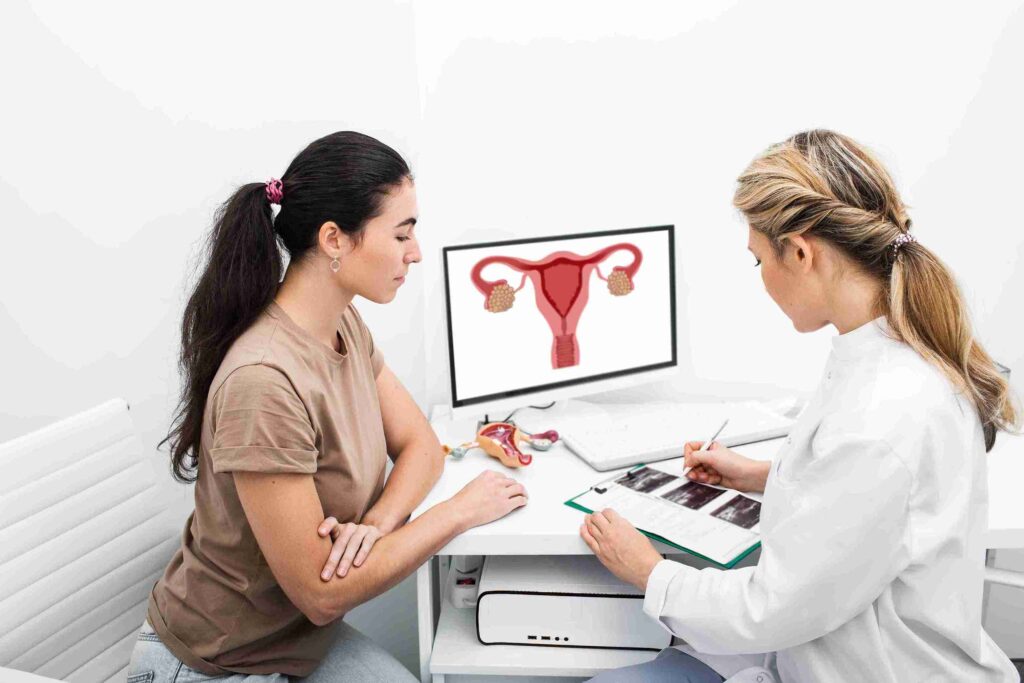
Infertility can be an emotionally challenging journey, and for many women, the underlying cause often remains misunderstood or undiagnosed for years. One such silent yet increasingly common condition is endometriosis—a complex gynecological disorder that affects millions of women worldwide. Despite its prevalence, awareness around how endometriosis impacts fertility is still limited, leading to delayed diagnosis and missed treatment opportunities.
That’s why Team Reprolearn spoke with Dr Manisha Mehta – a renowned infertility expert in India – to understand the connection between endometriosis and infertility. Read on!
What is Endometriosis?
Endometriosis is a medical condition in which tissue similar to the lining of the uterus (endometrium) grows outside the uterus. These growths are commonly found on the ovaries, fallopian tubes, pelvic lining, and sometimes on the bladder or intestines. According to a recent report published by WHO in 2025, endometriosis affects around 1 in 10 (190 millions) women of reproductive age worldwide. Dr. Manisha Mehta explains that many women live with symptoms for years without a diagnosis because signs can be subtle, inconsistent, or mistaken for normal period pain.
Common Symptoms of Endometriosis
Recognizing symptoms early is essential, especially when fertility is a concern. Here are common symptoms you need to consider:
- Painful periods (dysmenorrhea)
- Chronic pelvic pain
- Pain during or after intercourse
- Heavy or irregular menstrual bleeding
- Pain during bowel movements or urination (especially during periods)
- Bloating and fatigue
- Difficulty conceiving
Dr. Mehta notes that nearly 40% of women with unexplained infertility are later found to have endometriosis, which highlights the importance of timely evaluation.
Does Endometriosis Cause Infertility?
The short answer is: yes, endometriosis can cause infertility, but not in every case. When patients ask, “does endometriosis cause infertility?”, Dr. Manisha Mehta explains that the condition can impact reproductive health in multiple ways, depending on its severity, location, and how early it is diagnosed.
Research suggests that 30–50% of women with endometriosis experience some degree of infertility, compared to about 10–15% infertility rates in the general population.
Here’s how endometriosis may interfere with conception:
Damage to Eggs and Ovaries
Endometriosis can cause ovarian cysts known as endometriomas. These cysts may reduce ovarian reserve and affect egg quality, making natural conception more difficult.
Blocked or Distorted Fallopian Tubes
Inflammation can lead to scar tissue and adhesions, which may block the fallopian tubes or prevent them from functioning properly. This can stop the egg and sperm from meeting.
Inflammatory Pelvic Environment
Endometriosis creates chronic inflammation within the pelvis. This inflammatory environment can negatively affect ovulation, fertilization, embryo quality, and implantation.
Hormonal and Immune Disruption
The condition may alter hormonal balance and immune responses, further reducing the chances of successful pregnancy.
Dr. Mehta from Apex Hospital and The Fertility Couple also emphasizes an important point: the stage of endometriosis does not always predict fertility outcomes. Some women with mild disease struggle to conceive, while others with advanced endometriosis may still achieve natural pregnancy.
How is Endometriosis Diagnosed?
Diagnosis usually begins with a detailed medical history and pelvic examination. Imaging tests like ultrasound can help detect ovarian cysts, but they may not always identify smaller lesions. The most accurate method for diagnosis remains laparoscopy, a minimally invasive surgical procedure.
Studies show that the average delay in diagnosing endometriosis is 7–9 years, often because symptoms are normalized or overlooked. Dr. Manisha Mehta stresses that persistent pelvic pain, painful periods, or difficulty conceiving should never be ignored.
Endometriosis Treatments for Women Planning Pregnancy
If you are wondering, “does endometriosis cause infertility permanently?”, the answer is reassuring: in many cases, fertility can be improved with the right treatment. The approach depends on age, severity of the condition, and individual fertility goals.
Medications
Hormonal therapies can help control symptoms but are generally not suitable when actively trying to conceive.
Laparoscopic Surgery
Laparoscopic surgical removal of endometriosis lesions and scar tissue can improve fertility outcomes, especially when anatomical problems are identified.
Fertility Treatments
Advanced reproductive treatments offer hope to many couples:
Ovulation induction and IUI (Intrauterine Insemination): Often effective in mild endometriosis.
IVF (In Vitro Fertilization): Considered one of the most successful options for moderate to severe endometriosis-related infertility. Success rates with IVF in endometriosis patients can reach 40–50% per cycle in younger women, depending on individual factors.
Dr. Manisha Mehta emphasizes that personalized treatment planning is essential, as no two fertility journeys are the same.
Endometriosis Related Infertility FAQs
Does endometriosis cause infertility in every woman?
No. While endometriosis increases the risk of infertility, many women with the condition conceive naturally. Fertility outcomes depend on severity, age, and overall reproductive health.
Can I get pregnant naturally if I have endometriosis?
Yes, especially in mild cases. However, if pregnancy does not occur after 6–12 months of trying, consulting a fertility specialist is recommended.
Does treating endometriosis improve fertility?
In many cases, yes. Surgical treatment, lifestyle changes, and fertility therapies like IUI or IVF can significantly improve the chances of conception.
When should I see a doctor if I suspect endometriosis?
If you experience severe period pain, chronic pelvic pain, or have been trying to conceive without success, it is advisable to seek evaluation early.
Is IVF the only option for endometriosis-related infertility?
Not always. Mild cases may respond well to simpler treatments, while IVF is typically recommended for moderate to severe endometriosis or when other methods are unsuccessful.
Endometriosis Treatment Options in India
So, does endometriosis cause infertility? It can, but it does not mean motherhood is out of reach. With greater awareness, early diagnosis, and access to expert care, many women with endometriosis go on to build families successfully.
As Dr. Manisha Mehta rightly says, “Awareness, timely intervention, and the right treatment plan can make all the difference.” If you are struggling with symptoms or facing difficulty conceiving, consulting a fertility specialist could be your first step toward clarity and hope.
Are you a doctor interested in joining an online infertility IVF course that will take your practice to the next level? Send us an email on hello@reprolearn.com