
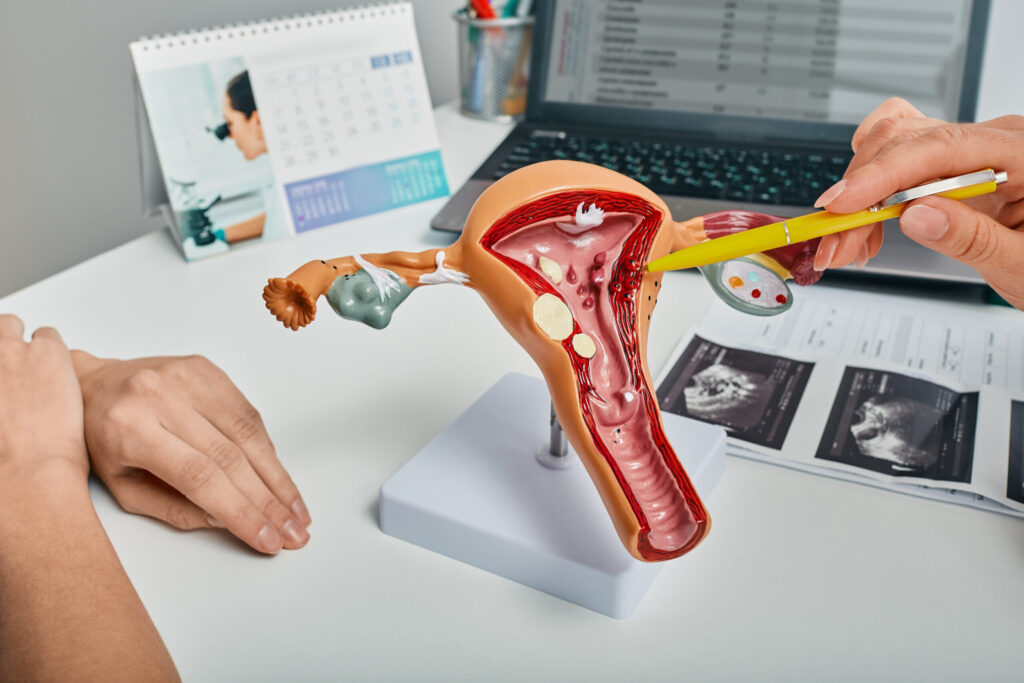
Recurrent Pregnancy Loss (RPL) is one of the most emotionally challenging conditions faced by couples and clinicians alike. Traditionally defined as two or more consecutive pregnancy losses, RPL affects nearly 1–2% of reproductive-age couples worldwide. Despite advances in reproductive medicine, it remains an area where clarity, evidence-based practice, and continuous learning are critical.
At ReproLearn, we believe that strong clinical outcomes begin with strong clinical understanding.
What Is Recurrent Pregnancy Loss?
Recurrent Pregnancy Loss refers to repeated miscarriages occurring before 20 weeks of gestation. While earlier approaches often relied on limited diagnostic pathways, modern reproductive medicine now recognizes RPL as a multifactorial condition requiring a structured and personalized evaluation.
Common Causes of Recurrent Pregnancy Loss
From a clinical standpoint, RPL is rarely due to a single factor. Key contributors include:
- Genetic abnormalities
Chromosomal anomalies, particularly balanced translocations, remain a leading cause. - Anatomical factors
Uterine anomalies such as septate uterus, fibroids, or intrauterine adhesions. - Endocrine disorders
Thyroid dysfunction, uncontrolled diabetes, and luteal phase defects. - Immunological and thrombophilic factors
Antiphospholipid syndrome and inherited thrombophilias. - Lifestyle and environmental factors
Smoking, obesity, chronic stress, and poor nutritional status.
Understanding these causes allows clinicians to move away from trial-and-error treatment and toward precision-based care.
Diagnosis: A Structured, Evidence-Based Approach
Gone are the days of fragmented testing. Current best practices emphasize:
- Detailed reproductive history
- Parental karyotyping when indicated
- High-resolution imaging of uterine anatomy
- Hormonal and metabolic evaluation
- Immunological screening in selected cases
A systematic diagnostic pathway not only improves outcomes but also restores patient confidence—an often overlooked yet critical element of care.
Management Strategies: What Works Today
Modern management of RPL is guided by science, not assumptions. Depending on the underlying cause, treatment may include:
- Genetic counseling and assisted reproductive techniques
- Surgical correction of uterine anomalies
- Hormonal optimization
- Anticoagulation therapy in confirmed APS cases
- Lifestyle modification and psychological support
Clinical success improves dramatically when management is individualized rather than generalized.
Why Continuous Learning Matters
Reproductive medicine is evolving rapidly. New evidence, updated guidelines, and advanced diagnostic tools demand that clinicians stay current. This is where ReproLearn steps in.
Our platform is designed to:
- Bridge the gap between theory and clinical practice
- Offer expert-led, case-based learning
- Support gynecologists, fertility specialists, and clinicians at every stage
Because better education leads to better patient outcomes—simple as that.
Final Thoughts
Recurrent Pregnancy Loss is not just a diagnosis; it’s a journey that requires empathy, expertise, and evidence-based care. By combining traditional clinical wisdom with modern scientific advances, clinicians can offer renewed hope to patients who need it most.
At ReproLearn, we’re committed to empowering medical professionals with the knowledge that truly makes a difference.